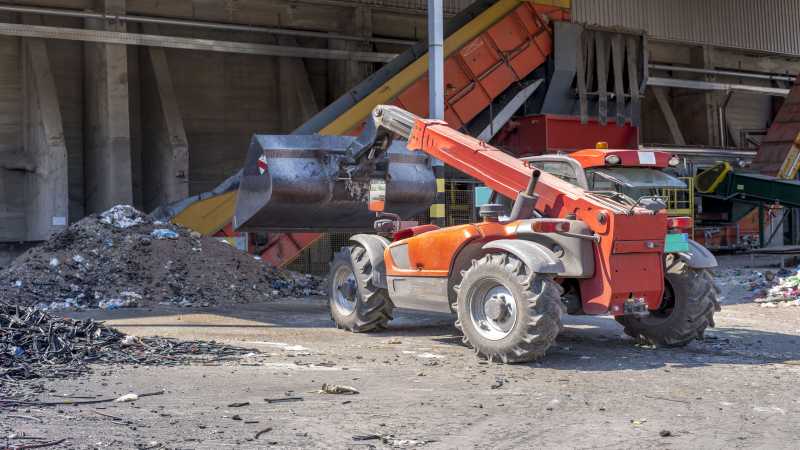
Site work is often the first major phase of a construction project, setting the stage for everything that follows. Whether contractors are preparing a residential lot for a new home or clearing land for a large commercial development, debris removal plays a significant role in maintaining productivity and keeping operations organized. Trees, brush, soil, concrete, pavement, demolition materials, and miscellaneous waste can accumulate quickly during site preparation, creating challenges if a disposal strategy is not in place.
For contractors, effective debris management helps improve efficiency, maintain safer working conditions, and support smoother transitions into grading, utility installation, and construction activities.
Why Site Work Generates Large Volumes of Debris
Before building can begin, a property often requires extensive preparation. Existing structures may need to be demolished, vegetation removed, grading performed, and utilities relocated or installed.
These activities can generate a wide variety of waste materials, including:
Because site work typically covers large areas, debris can become scattered across the property if cleanup is not coordinated properly.
Planning Debris Removal Before Site Preparation Begins
One of the most effective ways to manage waste during site work is to create a debris removal plan before equipment arrives onsite. Contractors who plan ahead can better estimate disposal needs, identify collection areas, and coordinate removal schedules with project milestones.
A good plan should consider expected debris volume, equipment access routes, staging areas, and future construction activities. Early planning helps prevent waste from interfering with grading, excavation, or utility installation later in the project. It also provides crews with a clear process for handling debris as it is generated.
Establishing Centralized Collection Areas
Centralized disposal locations help keep site work projects organized and efficient. Rather than allowing debris piles to develop throughout the property, contractors can direct materials toward designated collection points.
Many contractors coordinate disposal services through Waste Removal USA to help manage debris generated during residential and commercial site preparation projects. Centralized collection areas simplify cleanup operations, improve visibility across the site, and reduce the amount of repeated material handling required. This approach becomes especially valuable on larger projects where crews are working across multiple acres.
Managing Vegetation and Land Clearing Debris
Brush, tree limbs, stumps, and other vegetation often represent the first major waste stream on site work projects. Land clearing can produce substantial amounts of bulky material that consumes valuable workspace if not removed consistently.
Contractors should establish procedures for collecting and removing vegetation as clearing progresses. Allowing brush piles to grow too large can restrict equipment movement and complicate future grading operations. Regular removal helps maintain cleaner work zones and keeps the project moving efficiently.
Handling Soil and Excavation Materials
Excavation work frequently produces large quantities of excess soil and earth materials. While soil may not appear as disruptive as demolition debris, it can quickly become a logistical challenge due to its weight and volume.
Contractors should determine early whether excavated material will remain onsite for reuse or require removal. Coordinating soil management with grading plans helps reduce unnecessary handling and improves efficiency throughout the site preparation phase. Proper planning also helps avoid overcrowded staging areas.
Coordinating Demolition Debris Removal
Many site work projects begin with the removal of existing structures, pavement, foundations, or utility systems. Demolition can generate significant amounts of heavy debris in a short period of time.
Prompt removal of these materials helps create cleaner work areas and allows site preparation activities to continue without interruption. Contractors who stay ahead of demolition debris often find it easier to maintain project schedules and coordinate subsequent phases of work. Keeping demolition waste under control is critical for maintaining momentum.
Positioning Disposal Areas Strategically
The location of disposal areas has a direct impact on project efficiency. Collection points should be accessible to equipment operators while avoiding interference with active construction zones, material deliveries, and future development areas.
Contractors often evaluate:
Strategic placement helps reduce transport time and supports smoother site logistics throughout the project.
Coordinating Debris Removal with Equipment Operations
Heavy equipment is central to most site work activities. Excavators, loaders, dozers, skid steers, and haul trucks all require clear operating space to work efficiently.
Debris accumulation can restrict movement and create unnecessary delays if not managed properly. Contractors should coordinate cleanup efforts with equipment operations to ensure travel lanes remain open and work zones stay accessible. Maintaining clear pathways improves both productivity and safety.
Supporting Safety Through Consistent Cleanup
Site work projects often involve uneven terrain, excavation activities, and constant equipment movement. Debris left in active work zones can increase the risk of accidents and complicate site navigation.
Consistent debris removal helps maintain:
A cleaner site creates a more controlled working environment for everyone involved in the project.
Scheduling Removal Services Based on Project Activity
Debris generation is rarely consistent throughout site work projects. Land clearing, demolition, and excavation phases often create significantly more waste than later grading or utility work.
Contractors should adjust removal schedules to match project activity levels. During peak debris-generating phases, more frequent service may be necessary to maintain productivity and prevent overcrowding. Monitoring debris volume regularly helps ensure disposal capacity remains aligned with project needs.
Adapting to Changing Site Conditions
Site preparation projects frequently uncover unexpected conditions such as buried debris, undocumented utilities, abandoned foundations, or additional clearing requirements.
These discoveries can increase waste volume and affect cleanup procedures. Contractors who remain flexible can modify disposal plans, increase capacity, or adjust collection areas as needed to accommodate changing conditions. Adaptability helps maintain organization even when projects evolve beyond their original scope.
Improving Productivity Through Better Debris Management
Workers and equipment operators are most productive when they can focus on construction tasks rather than working around debris. Effective waste management reduces unnecessary material handling and helps crews maintain steady progress throughout the project.
Organized disposal systems also improve coordination between trades and simplify transitions from site preparation to active construction phases. The efficiency gains achieved through better debris management can have a meaningful impact on project performance.
Creating a Professional Job Site
Owners, developers, inspectors, and stakeholders often evaluate contractors based on overall site organization. Well-maintained projects demonstrate strong planning and attention to detail.
Consistent debris removal helps create a professional appearance while supporting smoother inspections and progress meetings. Clean sites also make it easier for project teams to identify issues and monitor ongoing work. Professional presentation remains important from the first day of site preparation through project completion.
Debris removal is a vital component of successful residential and commercial site work. By planning ahead, establishing centralized collection areas, coordinating removal with equipment operations, and maintaining consistent cleanup practices, contractors can keep projects organized and productive.
When debris is managed effectively, work areas remain safer, equipment operates more efficiently, and site preparation progresses more smoothly. For contractors handling residential and commercial developments, strong debris management strategies are essential for laying the groundwork for successful construction projects.