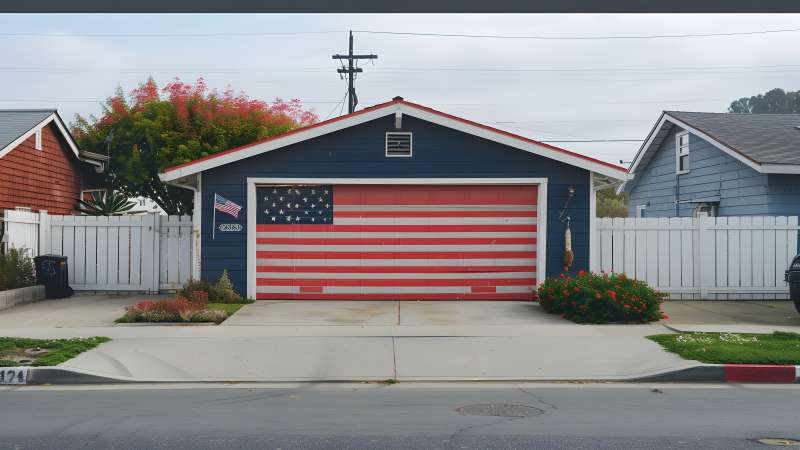
Choosing the right garage door can transform the appearance of your home while improving security, convenience, and energy efficiency. Although many homeowners focus on landscaping, exterior paint, and front entrances, the garage often occupies a significant portion of the home’s front elevation. Therefore, selecting an attractive design can make a noticeable difference in your property’s overall appearance.
Today, homeowners can explore numerous designs, including traditional carriage house doors, modern glass panels, rustic farmhouse styles, and elegant Craftsman-inspired finishes. In addition, manufacturers offer different materials, colors, decorative hardware, window arrangements, and insulation options to suit various architectural styles.
However, the best design should do more than look attractive. It should also withstand local weather conditions, provide dependable operation, and meet your household’s practical needs.
In this guide, we will explore creative garage door ideas, popular architectural styles, durable materials, decorative accents, modern features, and practical tips to help you make the right choice for your home.
Why Garage Door Design Matters
A garage door contributes significantly to your home’s curb appeal. Since it often covers a large area of the front exterior, its color, texture, and proportions can influence the entire architectural appearance.
For example, a dark contemporary door can create a striking contrast against light-colored siding. Similarly, a warm wood finish can complement stone walls, traditional brickwork, and natural landscaping.
Beyond appearance, a well-selected door can provide several benefits:
- Improved curb appeal: A coordinated design creates a more polished exterior.
- Better security: Strong construction and modern locking features help protect your belongings.
- Greater convenience: An automatic opener makes everyday access easier.
- Improved energy performance: Insulated panels can help reduce heat transfer.
- Personalized style: Decorative hardware, windows, and finishes allow you to express your preferences.
Therefore, consider both appearance and functionality before choosing a new design.
1. Carriage House Garage Door Ideas
Carriage house doors remain popular among homeowners who appreciate traditional architecture. Inspired by historic coach-house doors from the nineteenth century, these designs combine classic decorative details with modern operating systems.
Some models feature genuine outward-swinging panels, while others use overhead sectional mechanisms that reproduce the traditional appearance.
Add Decorative Iron Hardware
Decorative ironwork can give a standard door an authentic vintage appearance. Consider black strap hinges, wrought-iron pull handles, and decorative nails known as clavos.
These accents work particularly well on doors with wood or wood-look finishes. However, you should choose hardware that complements the door’s proportions rather than overcrowding the surface.
Magnetic decorative hinges and handles also offer a practical alternative when you want the appearance of traditional hardware without drilling into the panels.
Choose Warm Wood Finishes
Natural cedar tones, medium oak shades, and deep walnut finishes can make a carriage house door look welcoming and sophisticated.
If natural wood requires too much maintenance for your climate, consider composite materials or steel panels with realistic wood-grain finishes.
Coordinate the Exterior
Complete the look with matching exterior lighting, stone accents, and simple landscaping. Black wall lanterns can emphasize the door’s traditional details, while symmetrical shrubs create a balanced entrance.
This style works especially well with brick houses, cottages, traditional homes, and properties featuring stone or timber accents.
2. Modern and Contemporary Garage Door Designs
Modern designs focus on simplicity, clean lines, practical materials, and carefully selected details. They often complement contemporary houses with flat roofs, geometric architecture, and large windows.
Use Flush Panels
Flush-panel doors feature smooth surfaces with minimal decoration. Their understated appearance allows the home’s architecture to remain the main attraction.
Choose charcoal, matte black, white, gray, or another neutral shade to create a clean exterior. Alternatively, a subtle wood-look finish can introduce warmth without sacrificing a contemporary appearance.
Experiment with Horizontal and Vertical Lines
Horizontal panel designs can make a garage appear wider, while vertical details create a different visual rhythm.
For the best result, coordinate the door’s lines with the siding, exterior cladding, windows, and other architectural features.
Consider Oversized Glass Panels
Aluminum-framed doors with large glass panels can create a striking modern appearance. Depending on the glass type, they can also bring natural light into the garage.
Frosted, tinted, or obscure glass can provide greater privacy than clear glazing. Before choosing a glass-heavy design, consider the garage’s exposure to sunlight, security requirements, and insulation needs.
These doors may suit contemporary residences, modern extensions, and properties with minimalist exterior designs.
3. Rustic Barn and Farmhouse Garage Doors
Rustic and farmhouse-inspired doors emphasize natural textures, simple craftsmanship, and traditional detailing. They can make a modern property feel warmer or reinforce the character of an established farmhouse.
Highlight Wood Grain
Wood-grain finishes introduce visual depth and natural character. Cedar-inspired textures, weathered oak colors, and warm brown shades work well with white siding, stone walls, and dark trim.
You do not necessarily need solid wood to achieve this effect. Composite and steel doors can reproduce wood textures while offering different maintenance and durability advantages.
Add Cross-Brace Details
Cross-brace patterns imitate traditional barn doors. These diagonal or horizontal elements can create a distinctive rustic appearance, especially when paired with dark hardware.
Choose a pattern that suits the door’s dimensions. Excessively large decorative details can overwhelm smaller openings, while restrained designs often appear more balanced.
Pair Wood Tones With Black Trim
Black or dark bronze accents can create a strong contrast against warm wood finishes. Consider matching the trim with outdoor lights, window frames, and entry-door hardware.
For additional character, introduce natural landscaping, wooden fencing, or stone pathways. Keep the overall palette consistent to avoid making the exterior appear cluttered.
4. Craftsman and Tudor-Inspired Garage Doors
Craftsman and Tudor-inspired designs offer decorative character without relying on highly modern finishes.
Craftsman styles often feature recessed square panels, substantial framing, and wood-inspired materials. Tudor-inspired designs may include arched details, decorative framing, and finishes that complement brick, stone, or stucco exteriors.
Choose Recessed Panels
Recessed square panels provide texture and depth. They can make a simple door look more detailed without requiring elaborate decorative hardware.
For a Craftsman-inspired home, choose warm wood tones or muted colors that coordinate with the exterior trim.
Explore Arched Window Designs
Arched windows can complement Tudor-inspired architecture and traditional homes with curved architectural details.
If you add windows, consider privacy, daylight, and thermal performance. Double-glazed or otherwise suitable insulated glazing may help improve performance compared with less efficient options.
Coordinate Materials and Colors
Composite overlays, painted steel, and wood finishes can all suit these styles. Select a color that works with the roof, exterior walls, and entry door.
The goal is to make the garage door look like a natural part of the architecture rather than a separate feature.
5. Choose the Right Garage Door Material
The material affects durability, appearance, maintenance, insulation options, and overall cost. Therefore, compare the following choices before selecting a design.
Wood and Faux Wood
Natural wood creates a premium appearance with distinctive grain patterns and rich color variations. Cedar and other suitable wood species can complement traditional and contemporary architecture.
However, natural wood may require periodic sealing, staining, or painting. Moisture, sunlight, and changing temperatures can also affect its condition.
Faux wood offers another option. Composite overlays and wood-look steel doors can reproduce the appearance of timber while reducing some maintenance requirements.
For example, some composite products, including offerings from Clopay, provide wood-inspired designs. Always review the specific product’s construction, warranty, and care instructions before purchasing.
Aluminum and Glass
Aluminum frames are relatively lightweight and resist rust, making them useful for many modern designs and properties in coastal environments.
When combined with glass, aluminum can create a sleek appearance with generous natural light. However, aluminum panels may dent more easily than some steel alternatives, and glass-heavy designs may require additional attention to privacy and thermal performance.
Choose suitable glazing and finishes for your environment. Also, check how the complete door system performs rather than evaluating the frame material alone.
Steel
Steel doors offer a broad selection of colors, panel styles, and decorative finishes. They can provide a practical balance of durability, appearance, and affordability.
Insulated steel models can also improve thermal performance. Nevertheless, scratches or damaged coatings may expose the underlying metal to corrosion, particularly in humid or coastal conditions.
Choose an appropriate protective finish and inspect the surface periodically.
Fiberglass and Composite Materials
Fiberglass and composite doors offer additional choices for homeowners who want distinctive finishes with manageable maintenance.
Some products imitate wood grain, while others provide smooth, contemporary surfaces. Their strength, resistance to moisture, and long-term performance vary by construction and manufacturer.
Before purchasing, confirm that the product suits your local weather conditions and intended frequency of use.
6. Creative Colors and Finishes
Color can completely change the impression a garage door creates. Instead of automatically choosing white, consider how different shades interact with your home’s exterior.
Charcoal and Matte Black
Dark finishes create a bold, contemporary appearance. They can work especially well with white walls, gray siding, natural stone, and black window frames.
However, dark surfaces may absorb more sunlight than lighter colors. Consider the local climate, material, and manufacturer’s recommendations before selecting a very dark finish.
White and Cream
White and cream doors create a clean, timeless appearance. They coordinate well with traditional homes, farmhouse designs, and many contemporary properties.
Cream can provide a softer contrast than bright white, particularly when the exterior includes warm brick or beige stone.
Natural Wood Tones
Oak, walnut, cedar, and weathered wood shades add warmth and texture. These finishes can complement traditional architecture and soften the appearance of modern exteriors.
For a coordinated look, repeat the same wood tone in a few carefully selected details rather than matching every exterior element exactly.
Two-Tone Combinations
A two-tone design can create visual interest without overwhelming the facade. For example, a wood-look door with black trim can combine warmth with contemporary contrast.
Before committing, compare physical color samples against the home’s siding, roofing, and exterior lighting at different times of day.
7. Windows and Decorative Accents
Windows and small decorative details can make an ordinary door feel custom-designed.
Add Upper-Row Windows
A row of windows near the top of the door can introduce natural light while preserving some privacy.
Rectangular windows suit modern designs, while arched or divided-light windows often complement traditional architecture.
Use Frosted or Tinted Glass
Frosted glazing helps obscure the garage interior. Tinted glass can alter the appearance of the facade and reduce visible light transmission, depending on the product.
Remember that privacy and sunlight control depend on the specific glazing. Test samples when possible and check the manufacturer’s specifications.
Try Temporary Seasonal Decorations
Vinyl decals and suitable magnetic decorations can add seasonal character without permanently changing the door.
For example, you might use understated decorative shapes during holidays or change the accents to suit a seasonal theme.
Choose products designed for the door’s material and finish. Avoid anything that interferes with hinges, tracks, sensors, or the opening mechanism.
8. Upgrade the Garage Door With Modern Features
Modern technology can make daily operation more convenient and help homeowners monitor access.
Smart Garage Door Openers
Compatible smart openers allow you to control the door through a smartphone application. Depending on the model, you may receive alerts when the door opens or closes and check its status remotely.
Some systems also support scheduled closing, guest access, and integration with other smart-home devices.
Before buying, verify compatibility with your existing door, Wi-Fi coverage, and the manufacturer’s security requirements.
Quiet Operating Mechanisms
If your garage sits beneath a bedroom or beside a living area, noise reduction may be important.
Belt-drive openers generally operate more quietly than many chain-drive models. Properly maintained rollers, suitable hardware, and correct installation can also reduce unnecessary noise.
Motion-Activated Exterior Lighting
Motion-activated lights can illuminate the driveway when someone approaches. They can improve convenience when arriving at night and make it easier to see the surrounding area.
Position the lights to illuminate the entrance without creating excessive glare for neighbors or drivers.
Battery Backup
A compatible battery backup can allow certain automatic opener systems to operate during a power outage.
Check the manufacturer’s specifications to understand how many operations the backup supports and whether it is compatible with your door.
9. Why Insulation Matters
Insulation deserves attention when your garage connects to your home, serves as a workshop, or stores temperature-sensitive belongings.
Insulated doors generally use materials such as polyurethane or polystyrene within their construction. Manufacturers may provide an R-value to indicate resistance to heat flow.
A higher R-value generally indicates better insulating performance when comparing products under similar conditions.
However, insulation alone cannot make a garage energy-efficient. Gaps around the frame, worn bottom seals, poorly insulated walls, and air leakage can all affect comfort.
If you use your garage as a home office or workshop, consider an insulated door, appropriate weatherstripping, and suitable ventilation. Also, check local building requirements where relevant.
10. Budget-Friendly Garage Door Makeover Ideas
You do not always need a complete replacement to refresh the appearance of an existing door.
Repaint the Door
If the surface remains in good condition, a compatible exterior coating can provide a noticeable improvement.
Clean and prepare the surface according to the manufacturer’s recommendations. Choose a coating designed for the door’s material and local weather conditions.
Add Magnetic Hardware
Magnetic strap hinges and decorative handles can create a carriage-house appearance without permanent drilling.
Check that the magnets suit your door’s surface. They may not adhere to every material, particularly certain aluminum or composite panels.
Install New Exterior Lighting
Replacing outdated wall lights with coordinated fixtures can make the garage entrance feel more polished.
Choose fixtures rated for their intended outdoor location and install them according to applicable electrical safety requirements.
Refresh the Surrounding Landscape
Trim overgrown shrubs, remove clutter, clean the driveway, and add suitable plants near the entrance.
These simple improvements can help the garage look more attractive without changing the door itself.
Before beginning any makeover, inspect the door for structural damage. Cosmetic improvements cannot correct broken springs, damaged cables, or unsafe operating mechanisms.
11. Common Mistakes to Avoid
A beautiful design may disappoint if it does not suit the property or function properly. Avoid these common mistakes when planning your project.
Ignoring measurements: An incorrectly measured opening can lead to installation delays or expensive modifications. Confirm the width, height, headroom, side room, and backroom before ordering.
Choosing appearance over performance: Glass-heavy or non-insulated doors may not suit every climate or household. Balance visual appeal with insulation, privacy, and durability.
Overdecorating the exterior: Too many colors, finishes, and decorative accents can make the front elevation feel crowded. Use a consistent design palette.
Neglecting security: Attractive panels do not automatically provide strong security. Consider the opener, locking arrangements, access controls, and the connecting door to the house.
Attempting dangerous repairs: Springs and cables can cause severe injuries. Leave tension-related repairs and other hazardous mechanical work to qualified technicians.
Ignoring maintenance: Even a high-quality door needs periodic inspection. Follow the manufacturer’s guidance and address unusual noises or movement promptly.
Conclusion
The best garage door ideas combine attractive design with dependable performance. Whether you prefer traditional carriage-house details, contemporary glass panels, rustic farmhouse textures, or Craftsman-inspired finishes, you can find an option that complements your home’s architecture.
Start by identifying the style you prefer and selecting a suitable material. Next, compare colors, decorative hardware, window arrangements, insulation, and modern operating features. Finally, check your measurements, review installation requirements, and establish a regular maintenance routine.
Remember that small changes can make a meaningful difference. Fresh paint, coordinated lighting, decorative hardware, and simple landscaping may transform an existing garage entrance without requiring a complete replacement.
With thoughtful planning, you can create an attractive, practical, and secure garage entrance that enhances your home’s exterior for years to come.
Frequently Asked Questions (FAQs)
1. What is the most popular garage door style?
Sectional doors remain a common residential choice because they offer practical operation, varied designs, and compatibility with automatic openers. Carriage-house, contemporary, and farmhouse-inspired appearances are also popular design options.
2. Which material is best for a garage door?
Steel is a practical choice for durability and design variety. Wood provides natural warmth, while aluminum and glass suit contemporary properties. The best material depends on your budget, climate, maintenance preferences, and desired appearance.
3. Are insulated garage doors worth the investment?
Insulated doors can be worthwhile when the garage connects to living spaces or serves as a workshop. They may help reduce heat transfer and improve comfort, although the overall result also depends on sealing, walls, and ventilation.
4. How can I update my garage door without replacing it?
Consider repainting the surface, adding compatible magnetic hardware, improving exterior lighting, and refreshing the surrounding landscaping. First, make sure the existing door remains structurally sound and operates safely.
5. Can I install decorative hardware on my existing door?
Yes, provided the hardware is compatible with the door’s material and construction. Magnetic accessories offer a temporary option for suitable surfaces, while permanent hardware should be installed according to the manufacturer’s instructions.
6. How often should I maintain my garage door?
Inspect visible components regularly and follow the manufacturer’s maintenance schedule. Test safety features as directed, keep accessible areas clean, and arrange professional servicing when you notice unusual noises, uneven movement, or mechanical damage.
For more info visit Keloland