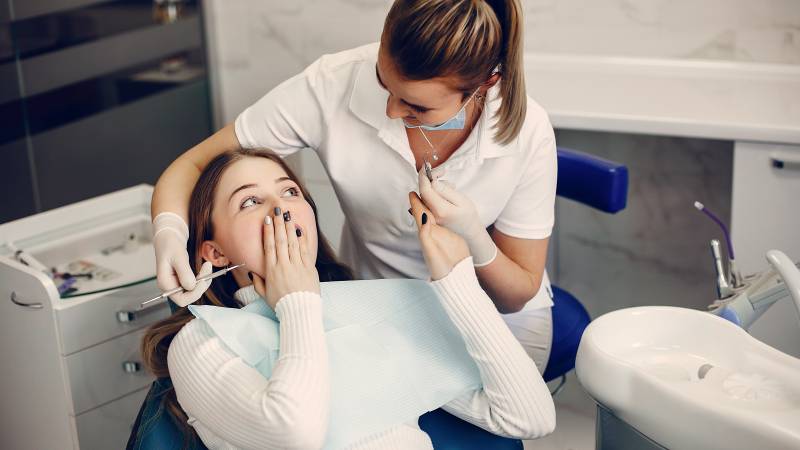
You take a sip of coffee, breathe in cold air, or bite into something sweet, and that quick jolt hits again. Sensitive teeth can wear you down in quiet ways, which is why Sunnyvale dental care can matter when discomfort starts affecting your routine. You start avoiding foods you like, brushing feels tense instead of routine, and even a normal cleaning can make you brace yourself. That kind of daily discomfort is easy to dismiss until it starts shaping your choices.
The good news is that tooth sensitivity is often manageable, and in many cases, preventable from getting worse. 3 Ways Preventive Dentistry Supports Patients With Sensitive Teeth comes down to a simple idea. A general dentist helps protect enamel, catch problems early, and guide home care that lowers pain instead of adding to it. When the cause is found early, you have more options and less chance of ending up with a larger, more expensive problem.
Preventive dental care helps stop enamel wear before sensitivity gets worse
Sensitive teeth usually start when the protective layers of the tooth are no longer doing their job. Enamel can wear down from aggressive brushing, acidic drinks, grinding, or frequent whitening. Gums can also recede, exposing the root surface, which is naturally more sensitive. Once that inner layer is exposed, heat, cold, sweets, and even air can trigger pain.
This is where preventive dental care matters. Regular exams give your dentist a chance to spot early enamel erosion, worn fillings, bite pressure, and gum recession before the pain becomes constant. You may think the issue is just “having sensitive teeth,” but what if the real cause is a cracked tooth, untreated decay, or clenching at night? Those problems do not stay small for long.
A general dentist can recommend fluoride treatments, seal exposed areas, adjust a damaging bite pattern, or suggest a night guard if grinding is part of the problem. These are practical steps that protect the tooth structure you still have. They do more than mask symptoms. They lower the chance that sensitivity turns into deeper damage.
Preventive dentistry for tooth sensitivity supports gentler, smarter home care
Many people with sensitivity try to fix the problem by brushing harder, switching products often, or avoiding brushing where it hurts. That usually backfires. Brushing too hard can wear enamel and irritate gums. Skipping tender spots lets plaque build up, which raises the risk of decay and gum disease. The result is more sensitivity, not less.
Preventive dentistry for tooth sensitivity often includes specific guidance on what to use at home and how to use it. A soft bristle toothbrush, a less abrasive technique, and the right toothpaste can make a real difference. The American Dental Association offers helpful guidance on home oral care, including brushing and flossing habits that protect teeth and gums without adding stress to sensitive areas.
Your dentist may also suggest a desensitizing toothpaste with ingredients that block pain signals or help strengthen enamel. If you have been standing in the toothpaste aisle wondering which label actually means something, the ADA also has a useful overview of toothpastes and what different formulas are designed to do.
The point is not to build a complicated routine. It is to stop guessing. Once you know whether your sensitivity is tied to enamel loss, gum recession, whitening products, or diet, your home care can become calmer and more effective.
Routine preventive visits catch hidden causes of sensitive teeth early
Not all sensitivity comes from surface wear. Cavities between teeth, a failing filling, a small crack, gum disease, or exposed roots can all feel similar at first. You might notice only an occasional zing and assume it is minor, but hidden dental problems have a way of getting your attention later, when treatment is more involved.
Preventive visits help separate temporary irritation from a condition that needs treatment. X rays, gum measurements, and a close exam can reveal issues you cannot see in the mirror. If a cavity is causing sensitivity, catching it early may mean a simple filling instead of a root canal later. If gums are receding, early care may help slow the process and reduce discomfort before more root surface is exposed.
sensitive teeth treatment works best when it is tied to the actual cause. That is why routine care matters so much. It gives you a clear explanation, not just a temporary patch.
Daily habits and professional care work best together
| Approach | What It Can Help With | Limits |
|---|---|---|
| Desensitizing toothpaste at home | Mild sensitivity from exposed dentin or minor enamel wear | May not help if the cause is decay, a crack, or gum disease |
| Softer brushing and lower acid exposure | Prevents more enamel loss and gum irritation | Does not repair existing structural damage |
| Professional fluoride or in office treatments | Strengthens enamel and reduces discomfort in targeted areas | Needs diagnosis and follow up if symptoms return |
| Regular exams with a general dentist | Finds early decay, cracks, worn fillings, recession, and bite issues | Works best when paired with steady home care |
Home habits matter every day. Professional care matters because it catches what home care cannot. One without the other leaves gaps.
Three steps you can take now to reduce tooth sensitivity
- Switch to a soft, low irritation routine. Use a soft bristle toothbrush, brush gently along the gumline, and choose a toothpaste made for sensitivity. If whitening products seem to make the pain worse, pause them until you know what is going on.
- Track your triggers for one week. Notice whether cold drinks, sweets, brushing, or chewing set off pain. Pay attention to whether it is one tooth or several. That pattern can help your dentist narrow down the cause faster.
- Schedule a preventive dental visit before the pain escalates. If sensitivity is new, getting worse, or tied to one spot, do not wait it out for months. Early care often means simpler treatment and less discomfort.
Sensitive teeth can make ordinary moments feel stressful, but you are not stuck with that cycle. The right preventive care can protect enamel, reduce pain, and catch small problems before they become harder to treat. If sensitivity has started changing how you eat, drink, or brush, schedule a visit with a general dentist and get a clear plan for what comes next.