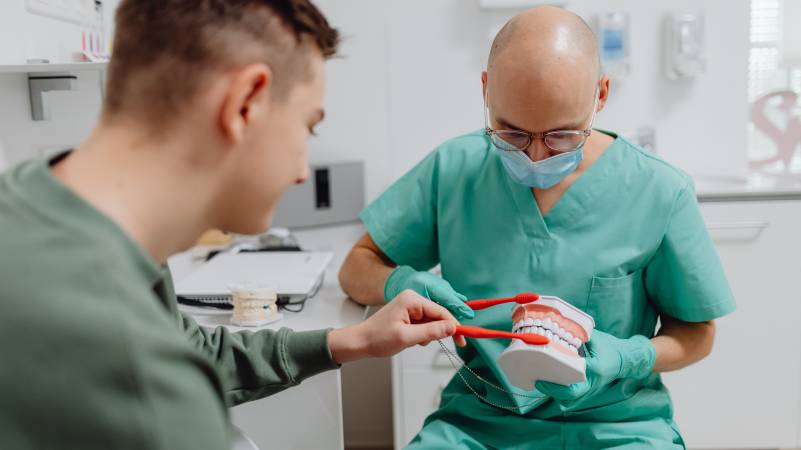
Efficiency has become an increasingly important aspect of modern dental care. Patients value dental practices that respect their time, provide clear communication, and deliver high-quality treatment without unnecessary delays. At the same time, dental professionals benefit from streamlined workflows that allow them to focus more attention on patient care and clinical outcomes. An efficient dental experience does not mean rushing appointments or sacrificing quality. Instead, it involves creating systems and processes that make every stage of care more organized, comfortable, and productive.
Today’s leading dental practices use a combination of technology, patient-focused services, and operational improvements to enhance efficiency. These features help reduce wait times, improve coordination, and create a smoother experience from scheduling to follow-up care. Understanding the elements that contribute to efficiency can help patients recognize the value of a well-managed dental practice and the positive impact it can have on their oral healthcare journey.
Streamlined Appointment Scheduling
One of the most noticeable features of an efficient dental experience is a streamlined scheduling process. Modern dental offices often provide online appointment requests, digital calendars, and automated reminders that make it easier for patients to book and manage visits. These tools reduce administrative burdens while helping patients stay organized.
Efficient scheduling systems can also minimize appointment conflicts and reduce wait times. By carefully managing daily schedules, practices can allocate the appropriate amount of time for each procedure while maintaining a steady workflow. This balance helps ensure that patients receive the attention they need without experiencing unnecessary delays.
When scheduling is handled effectively, the entire patient experience becomes more convenient. Patients appreciate knowing that their appointments will start on time and that the practice values their schedule as much as its own.
Advanced Technology and Digital Tools
Technology plays a major role in improving efficiency within modern dental practices. Digital imaging, electronic health records, and advanced diagnostic systems allow providers to gather and review information quickly while maintaining a high level of accuracy. These technologies can streamline treatment planning and reduce the time required for certain diagnostic processes.
Digital records eliminate many of the inefficiencies associated with paper-based systems. Information can be accessed, updated, and shared securely within the practice, allowing staff members to coordinate care more effectively. This improved accessibility supports a smoother workflow and helps prevent communication gaps.
Advanced technology can also enhance the patient experience. Faster diagnostics, more precise treatment planning, and improved record management contribute to a more organized and efficient visit. Patients often feel greater confidence when they see a practice investing in tools that support both quality and convenience.
Clear Communication and Patient Education
Effective communication is a key component of efficiency. Patients who understand their treatment plans, appointment expectations, and financial responsibilities are better prepared for their visits and less likely to experience confusion or delays. Clear communication helps establish trust while ensuring that important information is delivered in a timely manner.
Many practices use digital communication tools such as appointment reminders, text notifications, and patient portals to keep individuals informed throughout their care journey. These resources make it easier for patients to access information and stay connected with their dental team.
Whether someone visits a family dentist in Escondido or a provider in another community, strong communication often contributes significantly to the overall experience. Patients appreciate receiving clear explanations and prompt responses, which allows them to make informed decisions and feel more confident about their care.
Coordinated Teamwork and Office Management
An efficient dental office depends on strong coordination among team members. From reception staff and dental assistants to hygienists and dentists, every individual plays a role in ensuring that patient care proceeds smoothly. Clear responsibilities and effective collaboration help reduce bottlenecks and improve overall productivity.
Well-organized office management systems support this teamwork by creating structured workflows that keep appointments moving efficiently. Staff members who have access to accurate information and established procedures can respond more effectively to patient needs while maintaining high standards of service.
Patients often notice the benefits of coordinated teamwork during their visits. Check-in processes become faster, treatment transitions are smoother, and communication remains consistent throughout the appointment. These improvements contribute to a more positive and stress-free experience.
Comprehensive Care and Follow-Up Support
Another feature that supports efficiency is a comprehensive approach to patient care. Practices that offer a wide range of services can often address multiple needs within a coordinated treatment plan, reducing the need for additional appointments or referrals. This integrated approach saves time while providing continuity of care.
Follow-up support is equally important. Efficient dental practices maintain communication after appointments, providing instructions, monitoring recovery when necessary, and helping patients stay on track with future visits. Proactive follow-up can reduce complications, improve treatment outcomes, and encourage long-term engagement in preventive care.
When comprehensive care and follow-up support are combined with effective systems and communication, patients experience a more seamless journey from diagnosis through treatment and ongoing maintenance. This continuity helps strengthen relationships between providers and patients while improving overall satisfaction.
Conclusion
An efficient dental experience is built on a combination of thoughtful processes, modern technology, effective communication, coordinated teamwork, and comprehensive patient support. These features work together to create an environment where appointments are more convenient, treatment planning is more organized, and care is delivered with greater consistency. As dental practices continue to refine their operations and invest in patient-focused solutions, efficiency will remain an important factor in delivering high-quality care. Patients who choose practices that prioritize these characteristics often benefit from a smoother, more comfortable, and more rewarding dental experience.