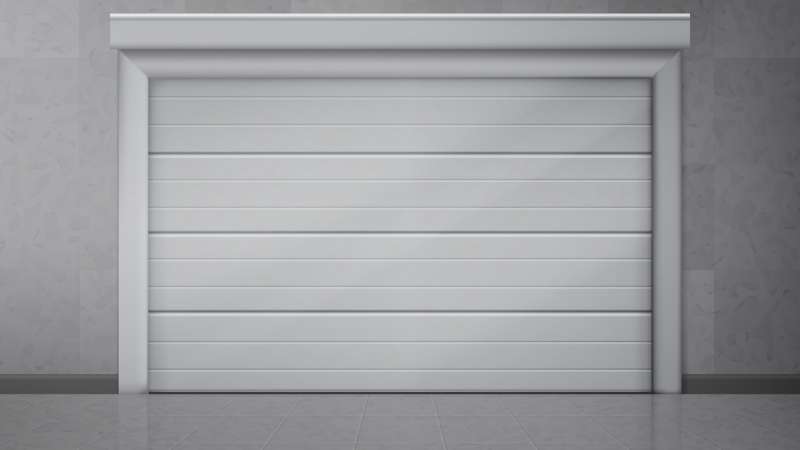
A garage door is one of the hardest-working components of any home. On average, homeowners open and close their garage doors several times each day, which adds up to thousands of operating cycles every year. Despite this frequent use, many people overlook routine maintenance until a problem occurs. However, regular care can significantly extend the life of your garage door, improve safety, reduce repair costs, and ensure smooth operation throughout the year.
This comprehensive guide, Garage Door Maintenance Tips to Keep It Working Smoothly, explains everything homeowners need to know about maintaining a garage door. Whether your garage door is made of steel, wood, aluminum, fiberglass, or vinyl, following these maintenance tips will help you avoid unexpected breakdowns and costly repairs.
Why Garage Door Maintenance Is Important
Your garage door consists of many moving parts that work together every time the door opens or closes. Springs, rollers, tracks, cables, hinges, and the opener all experience wear over time. Without proper maintenance, these components can fail, leading to inconvenient and expensive repairs.
Routine maintenance offers several benefits, including:
- Extends the lifespan of the garage door
- Improves home security
- Enhances safety for your family
- Reduces repair expenses
- Keeps the door operating quietly
- Improves energy efficiency
- Prevents sudden breakdowns
- Maintains your home’s curb appeal
By spending a little time on maintenance every few months, you can avoid many common garage door problems.
Understand the Basic Parts of a Garage Door
Before performing maintenance, it helps to understand the main components of your garage door.
Garage Door Panels
The panels form the visible exterior of the garage door. They may be made from steel, wood, aluminum, fiberglass, or vinyl.
Rollers
Rollers move along the tracks and allow the garage door to open and close smoothly.
Hinges
Hinges connect the individual panels and allow the door to bend as it travels along the tracks.
Tracks
Metal tracks guide the garage door during operation.
Springs
Garage doors use either torsion springs or extension springs to balance the door’s weight.
Cables
Lift cables work together with the springs to raise and lower the door safely.
Garage Door Opener
The opener automates the opening and closing process using a motor and drive system.
Inspect Your Garage Door Regularly
One of the easiest maintenance tasks involves performing a visual inspection.
Look for:
- Loose bolts
- Rust
- Bent tracks
- Frayed cables
- Cracked rollers
- Damaged weather seals
- Worn hinges
- Loose brackets
Early detection prevents small issues from becoming major problems.
Listen During Operation
Your garage door should operate smoothly with minimal noise.
Watch and listen for:
- Grinding sounds
- Squeaking
- Scraping
- Clicking
- Vibrations
- Jerky movement
Unusual noises often indicate that maintenance is needed.
Lubricate Moving Parts
Lubrication is one of the most important maintenance tasks.
Apply a high-quality garage door lubricant to:
- Rollers
- Hinges
- Springs
- Bearings
- Pulleys
- Lock mechanisms
Avoid using heavy grease because it attracts dirt and debris. Instead, use a silicone-based or lithium-based garage door lubricant recommended by the manufacturer.
Lubricate every six months or more frequently if the door receives heavy use.
Clean the Tracks
Garage door tracks collect dust, dirt, leaves, and debris over time.
To clean the tracks:
- Open the garage door.
- Remove loose debris.
- Wipe the tracks with a damp cloth.
- Dry them thoroughly.
- Inspect for bends or damage.
Do not apply lubricant to the tracks because it can attract dirt and interfere with roller movement.
Tighten Loose Hardware
Garage doors vibrate during every operating cycle.
Over time, vibration loosens:
- Nuts
- Bolts
- Screws
- Brackets
- Roller supports
Use the appropriate tools to tighten loose hardware while avoiding overtightening.
Test the Garage Door Balance
A properly balanced garage door places less strain on the opener.
To test the balance:
- Disconnect the automatic opener.
- Lift the door halfway.
- Release it carefully.
A balanced door should remain in place.
If it falls or rises on its own, the springs likely require adjustment by a professional technician.
Inspect the Springs Carefully
Garage door springs perform heavy lifting every day.
Check for:
- Rust
- Gaps
- Corrosion
- Deformation
- Excessive wear
Never attempt to repair or replace garage door springs yourself. Springs operate under extreme tension and can cause serious injury.
Examine the Lift Cables
Lift cables support the weight of the garage door.
Look for:
- Fraying
- Rust
- Broken strands
- Loose connections
If you notice cable damage, stop using the garage door and contact a qualified technician immediately.
Check the Rollers
Garage door rollers should move smoothly along the tracks.
Inspect for:
- Cracks
- Chips
- Flat spots
- Wobbling
- Excessive wear
Replace worn rollers before they damage the tracks.
Inspect the Hinges
Hinges connect each garage door panel.
Look for:
- Cracks
- Rust
- Loose screws
- Bent hinges
Replace damaged hinges promptly to prevent additional stress on the door.
Replace Weather Seals
Weather seals prevent:
- Water leaks
- Dust
- Insects
- Cold air
- Hot air
Inspect the bottom seal and side seals regularly.
Replace worn weather stripping if it becomes cracked, brittle, or torn.
Wash the Garage Door
Cleaning your garage door improves both appearance and durability.
Use:
- Mild soap
- Warm water
- Soft sponge
- Microfiber cloth
Avoid harsh chemicals that may damage paint or protective coatings.
Wash your garage door at least twice a year.
Protect Wooden Garage Doors
Wood garage doors require additional maintenance.
Inspect for:
- Peeling paint
- Rot
- Moisture damage
- Cracks
Sand, stain, or repaint the wood when necessary to protect it from weather damage.
Remove Rust Immediately
Steel garage doors may develop rust over time.
To remove rust:
- Sand the affected area.
- Apply rust-resistant primer.
- Paint with exterior-grade paint.
Prompt treatment prevents corrosion from spreading.
Inspect Garage Door Windows
If your garage door includes windows, inspect them regularly.
Check for:
- Cracks
- Broken seals
- Loose frames
- Water leaks
Clean glass with non-abrasive cleaners to maintain visibility.
Test the Auto-Reverse Safety Feature
Modern garage doors include an automatic reverse system.
To test it:
- Place a piece of wood beneath the door.
- Close the garage door.
- The door should reverse immediately after touching the object.
If it does not reverse, stop using the opener until the safety system is repaired.
Test the Photo-Eye Sensors
Photo-eye sensors prevent the door from closing when something blocks the opening.
To test them:
- Place an object between the sensors.
- Attempt to close the door.
The door should immediately reverse.
Clean dirty sensor lenses using a soft cloth.
Inspect the Garage Door Opener
Your opener requires periodic maintenance.
Check for:
- Loose chains
- Belt wear
- Motor noise
- Loose mounting brackets
- Damaged wiring
Follow the manufacturer’s maintenance recommendations.
Replace Remote Batteries
Weak batteries reduce remote performance.
Replace remote batteries every one to two years or whenever operating range decreases.
Keep the Garage Door Dry
Excess moisture accelerates corrosion and wood damage.
Improve ventilation if your garage experiences:
- High humidity
- Water leaks
- Condensation
Proper drainage also protects the bottom weather seal.
Prevent Pest Damage
Small gaps around the garage door allow insects and rodents to enter.
Inspect for:
- Gaps beneath the door
- Torn seals
- Open corners
Replace damaged seals promptly.
Schedule Professional Maintenance
Although homeowners can perform many maintenance tasks themselves, professional inspections remain valuable.
A technician can safely inspect:
- Springs
- Cables
- Torsion systems
- Motor adjustments
- Safety mechanisms
Annual professional maintenance often prevents major repairs.
Seasonal Garage Door Maintenance Tips
Spring
- Clean the door
- Lubricate moving parts
- Inspect weather seals
Summer
- Wash exterior surfaces
- Check paint condition
- Tighten hardware
Fall
- Replace worn seals
- Test opener
- Inspect insulation
Winter
- Remove ice buildup
- Keep tracks clean
- Check weather stripping
Seasonal maintenance prepares your garage door for changing weather conditions.
Common Garage Door Problems
Understanding common issues helps homeowners respond quickly.
Door Won’t Open
Possible causes include:
- Broken spring
- Power outage
- Opener malfunction
- Sensor problems
Noisy Operation
Common causes:
- Lack of lubrication
- Worn rollers
- Loose hardware
Uneven Movement
Possible reasons:
- Bent tracks
- Damaged rollers
- Broken cables
Slow Response
Likely causes:
- Aging opener
- Weak remote batteries
- Sensor alignment issues
Garage Door Maintenance Checklist
Use this checklist every few months:
- Inspect springs
- Check cables
- Lubricate hinges
- Lubricate rollers
- Tighten hardware
- Wash the door
- Clean tracks
- Test opener
- Test safety sensors
- Replace weather seals if necessary
- Check door balance
- Inspect windows
- Replace remote batteries
- Remove rust
- Schedule professional inspection annually
Following this routine helps prevent expensive repairs.
Mistakes to Avoid
Many homeowners unintentionally shorten the life of their garage door.
Avoid these common mistakes:
- Ignoring unusual noises
- Using incorrect lubricants
- Skipping inspections
- Adjusting springs yourself
- Forgetting weather seals
- Delaying repairs
- Neglecting safety tests
- Overlooking loose hardware
Proper maintenance is always less expensive than major repairs.
Frequently Asked Questions
How often should I maintain my garage door?
Inspect your garage door every month and perform full maintenance every six months.
Can I lubricate my garage door with WD-40?
No. WD-40 primarily acts as a cleaner and water displacer rather than a long-lasting lubricant. Use a garage door lubricant specifically designed for moving parts.
How long does a garage door last?
A well-maintained garage door typically lasts between 20 and 30 years, depending on the material and usage.
Should I replace garage door springs myself?
No. Garage door springs are under high tension and require specialized tools and training. Always hire a professional.
Why does my garage door make loud noises?
Noises often result from worn rollers, dry hinges, loose hardware, or lack of lubrication.
Conclusion
Regular maintenance is the key to extending the life of your garage door and ensuring safe, reliable performance. By inspecting moving parts, lubricating components, cleaning tracks, testing safety features, and replacing worn seals, you can prevent many common issues before they become costly repairs. Professional inspections also provide added peace of mind by identifying hidden problems that homeowners may overlook.
Following the advice in Garage Door Maintenance Tips to Keep It Working Smoothly will help you keep your garage door operating efficiently throughout every season. Whether you have a traditional steel door, a modern aluminum design, or a classic wooden garage door, consistent care will improve performance, enhance security, and protect your investment for many years. By making maintenance part of your regular home care routine, you can enjoy a garage door that opens and closes smoothly, quietly, and safely every day.
For more info visit Keloland