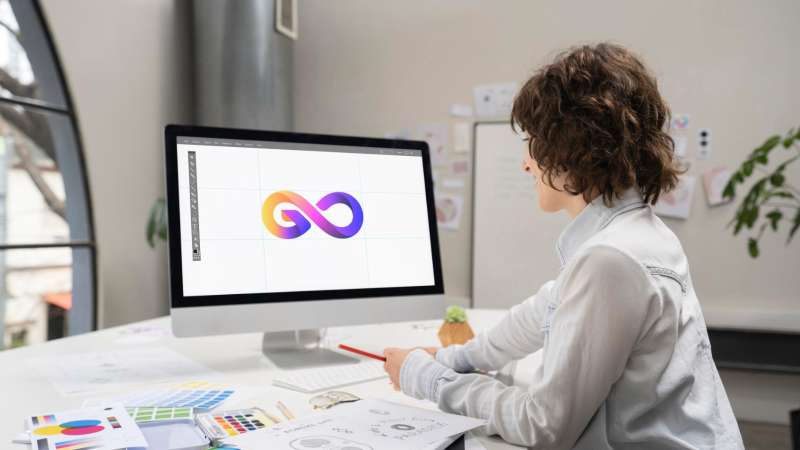
A logo is more than just a visual symbol. It represents a business, product, service, or personal brand and often becomes one of the first things people remember. A thoughtfully designed logo can make a brand appear more professional, recognizable, and consistent across different platforms.
Whether you are launching a new business or updating an existing brand identity, creating the right logo requires a combination of creativity and planning.
Understand What Your Brand Represents
Before starting the design process, think about the personality of the brand. Is it modern, creative, professional, friendly, bold, or traditional?
The answers to these questions can help guide your design choices. A logo should feel connected to the brand it represents rather than looking like a random graphic.
Understanding your target audience is also important. A design that appeals to a technology company may look very different from one created for a restaurant, fashion business, or creative service.
Choose a Simple and Memorable Concept
Some of the most recognizable logos use simple visual ideas. A design with too many details can be difficult to understand and may not remain clear when displayed at a smaller size.
Focus on creating a visual concept that communicates something meaningful about the brand. A simple shape, symbol, or wordmark can often make a stronger impression than an overly complicated design.
The goal is to create something that people can recognize easily.
Use Colours to Support Your Identity
Colours can influence how a logo feels. Different combinations may create impressions of energy, trust, creativity, luxury, or simplicity.
When choosing colours, think about the overall personality of the brand and where the logo will be used. The colours should work well together and maintain enough contrast to keep the design clear.
It is also useful to consider how the logo will appear in different formats, including digital screens and printed materials.
Select Fonts That Match the Brand
Typography can completely change the character of a logo. A bold font may create a confident appearance, while a clean and minimal typeface may communicate simplicity and professionalism.
If the logo includes the name of a business, the text should be easy to read. Decorative fonts can be useful in certain situations, but readability should always remain a priority.
A suitable font can help create a strong connection between the written name and the visual identity.
Explore Different Design Ideas
The first idea is not always the best one. Exploring multiple concepts can help you compare different styles and discover what works most effectively.
You can experiment with different combinations of symbols, fonts, colours, and layouts before choosing a final direction. This process can also help identify elements that may make the logo look too crowded or unclear.
Taking time to explore ideas often leads to a more refined final result.
Make the Design Process More Accessible
Creating a professional logo can seem difficult if you are not an experienced designer. Fortunately, modern design tools make it easier to experiment with creative ideas and develop a visual identity.
With tools that help you easily create logos, you can explore different design possibilities and customise elements such as typography, colours, layouts, and graphics. This can be useful for entrepreneurs, small businesses, content creators, and anyone who wants to develop a recognizable brand identity.
The ability to customise the design also allows you to create a result that reflects your own ideas and goals.
Make Sure the Logo Works Everywhere
A good logo should be flexible enough to work across different platforms. It may appear on a website, social media profile, business card, product packaging, or promotional material.
For this reason, the design should remain recognizable at both large and small sizes. Avoid relying too heavily on tiny details that may disappear when the logo is reduced.
Testing the design in different sizes can help ensure that it remains effective in real-world situations.
Maintain Visual Consistency
Once a logo has been created, it can become the foundation of a wider brand identity. Its colours, fonts, and visual style can be used across websites, advertisements, social media graphics, and other marketing materials.
Using consistent visual elements helps create a more recognizable brand experience. Over time, people may begin to associate these design choices with the business.
Consistency can also make a brand appear more organized and professional.
Review the Final Design Carefully
Before finalizing a logo, take a moment to examine it from different perspectives. Is the design clear? Is the text readable? Does the logo represent the brand accurately?
It is also useful to view the design on different backgrounds and at different sizes. A logo that looks good in one situation may need adjustments in another.
A careful review can help identify small issues and improve the final result.
Conclusion
Creating a strong logo requires more than simply choosing an attractive image. The design should reflect the brand, connect with the intended audience, remain easy to recognize, and work effectively across different platforms.
By focusing on simplicity, meaningful design choices, suitable typography, and consistent visual elements, businesses and creators can develop logos that support their long-term identity. With the right creative approach and accessible design tools, building a professional logo can be a straightforward and rewarding process.