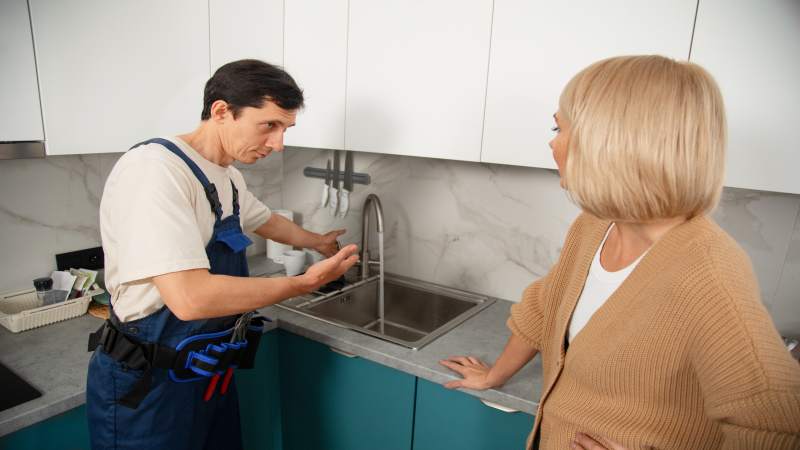
In the dynamic world of home maintenance, plumbing issues can arise unexpectedly, often leaving homeowners pondering whether to tackle the problem themselves or hire a professional. While DIY plumbing projects might seem like a cost-effective solution, the complexity of such tasks and the potential for errors can make this decision quite challenging. This article explores the pros and cons of DIY plumbing versus hiring a professional Plumber, focusing on cost-effectiveness and long-term savings.
DIY Plumbing: Assessing Skills and Tools Needed
Before embarking on any DIY plumbing project, it’s essential to assess your skills and the tools required. Plumbing tasks, even seemingly simple ones, often demand a certain level of expertise and specialized equipment. For instance, replacing a faucet might seem straightforward, but without the proper tools and knowledge, such a task can quickly become complicated.
Moreover, specific projects might require compliance with certain regulations. For example, understanding the Lead-Based Paint Regulations is crucial if your plumbing work involves older pipes that may contain lead. Additionally, projects in homes certified in Smart Home Integration could require specialized knowledge to avoid disrupting connected systems.
While DIY plumbing can save money on labor, the initial investment in tools and potential for mistakes may outweigh the benefits. Therefore, accurately assessing your capabilities and the project’s complexity is crucial for DIY success.
Cost Comparisons: DIY vs Professional Plumbing Services
When comparing costs, it’s vital to consider both immediate expenses and long-term implications. DIY plumbing avoids labor costs, but purchasing or renting tools, and the potential need for additional materials, can add up. In contrast, professional Plumbers often have access to trade discounts on materials, potentially reducing overall expenses.
Additionally, professionals bring a wealth of experience to the table, which can prevent costly errors. For instance, a poorly executed DIY repair might lead to future leaks or water damage, requiring expensive professional intervention. An Indoor Air Quality Assessment could also reveal underlying issues that a novice might overlook, leading to further savings by addressing them promptly.
Ultimately, while DIY projects might appear cheaper upfront, professional services often offer better value and assurance of quality work.
Common DIY Plumbing Mistakes and Their Consequences
DIY plumbing isn’t without its pitfalls. Common mistakes include incorrect pipe installations, improper sealing of joints, or misdiagnosing issues. These errors can lead to significant problems, such as water leaks, mold growth, or even structural damage, which can be costly to repair.
For example, failing to comply with Child Safety Gate Compliance when working on plumbing in homes with young children can lead to accidents and liability issues. Likewise, ignoring the implications of a Radon Mitigation System during basement plumbing could risk household health and safety.
These mistakes not only negate any initial savings from DIY efforts but can also lead to more expensive professional repairs down the line. Therefore, understanding the potential consequences is critical before deciding to undertake plumbing tasks on your own.
When to Call a Professional Plumber for Cost Efficiency
Knowing when to hire a professional can save money and prevent further damage. Complex projects, such as those involving sewer lines or extensive indoor plumbing systems, typically require a professional’s expertise. If a project involves intricate skills or compliance with regulations, such as Homeowners Association (HOA) Guidelines, it’s wise to consult a professional.
Furthermore, if you’re unsure about the scope of the project or lack the necessary tools, hiring a professional Plumber can be more cost-effective in the long run. Professionals can efficiently identify and address issues that may not be apparent to a DIYer, preventing future problems and expenses.
In many cases, the peace of mind and quality assurance offered by professional services outweigh the potential savings from DIY attempts.
Conclusion
Weighing the benefits of DIY plumbing against professional services involves evaluating skills, tools, and potential risks. While DIY might offer short-term savings, professional Plumbers provide expertise and reliability that can prevent costly errors. For homeowners, making an informed decision based on project complexity and personal capability ensures both cost efficiency and home safety. Choosing the right approach can ultimately save time, money, and stress in the long run.